
Picture this: you're enjoying a crisp autumn afternoon in West Chester Township, Ohio. The leaves are turning, and you notice a stray shingle on your driveway. You pause, thinking about the roof above your head. Winter's coming, and that shingle might be a sign. Recognizing roof damage early can save you a lot of trouble (and water damage) when the snow starts falling in earnest. So let's talk about what you might see if your roof's got problems brewing.
Missing or Damaged Shingles
Missing or damaged shingles are one of the most visible signs of roof trouble. In West Chester, with our mix of rain, wind, and snow, shingles can take a beating. Asphalt and fiberglass shingles are common here, but they can curl or crack after a few years of harsh weather. If you spot shingles that seem to be lifting or missing altogether, it’s a sign water might seep through. Wind gusts, especially those that accompany thunderstorms, often dislodge shingles. If you notice granules gathering in your gutters, that's another clue: your shingles are deteriorating. Don't wait too long there. Before winter sets in, get those replaced to ensure your roof's protective layer is intact.
Sagging Rooflines
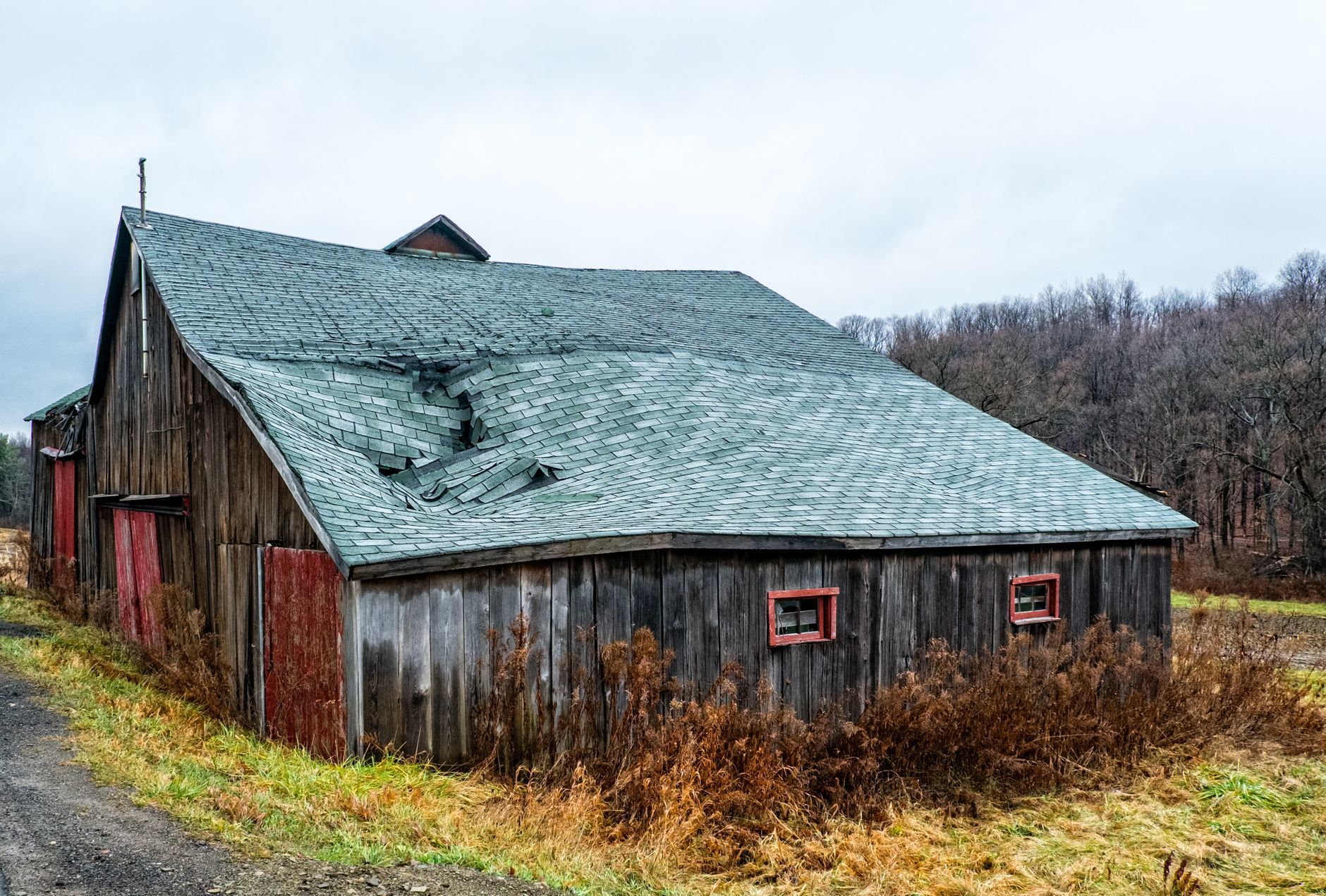
A roofline should be straight and true from one end to the other. In West Chester, homes often face weather stress that can cause a roofline to sag or dip. This might happen from too much weight on the roof (heavy snow, anyone?) or from structural issues underneath. Sagging might mean the support beams have weakened over time. If you spot this from your front yard, it’s time to call in a pro. Left unchecked, a sagging roof can lead to costly repairs down the road. And when the snow falls heavy in Ohio, you don’t want an already sagging roof to collapse under the weight.
Leaks and Water Stains
Nobody likes the sight of a water stain spreading across their ceiling. It's a telltale sign of leaks, which often start small and unnoticed. But they can grow fast, especially with the freeze-thaw cycle we see here each winter. Check your attic space regularly for damp insulation or water trails down the rafters. Roof valleys, where two roof slopes meet, are particularly vulnerable to leaks. Fixing a minor leak now can prevent major water damage later and possibly stave off mold, which is another headache altogether.
Mold and Algae Growth
Dark streaks or patches on your shingles might just be algae. Common in areas with high humidity (West Chester’s summers fit that bill), algae isn’t usually damaging but is unsightly. Mold, however, is a bigger concern. It thrives in damp environments, like a roof with poor ventilation. If you see black mold or green moss, it’s not just about aesthetics: it could be absorbing moisture into your roof material. Address these growths quickly to keep your roof dry and healthy.
Flashing Problems
Flashing is the metal sheeting around vents, chimneys, and skylights. It's essential for keeping water out of those vulnerable points. In West Chester, fluctuating temperatures can cause the metal to warp or pull away, leaving gaps. This allows water to seep in, which can lead to leaks. Inspect the flashing by running your hand along it. If it’s loose or corroded, it's time for a fix. Refastening or replacing flashing is a straightforward job when caught early.
Gutters and Downspouts
Gutters are your roof's drainage system. In West Chester, they're crucial, especially in the fall when leaves can clog them up. Blocked gutters prevent rainwater from draining away, leading to overflow and potential foundation issues. Check for rust, sagging sections, or any separation from the roofline. Downspouts should direct water at least a few feet from the foundation. If you spot pooling water or soil erosion next to your house, it’s a sign the gutters aren’t doing their job properly.
Increased Energy Bills
Not all signs of roof damage are visual. If you notice a spike in your energy bills, your roof might be letting heat escape. Poor insulation or venting, damaged shingles, or gaps around flashing can all let the warm air out and the cold air in. With West Chester's chilly winters, a compromised roof can drive up heating costs. An inspection can reveal issues that aren’t easy to spot from the ground.
Understanding Roofing Materials and Lifespan
Different roofing materials have various lifespans and maintenance needs. Asphalt shingles, which are common in West Chester, typically last about 20 to 25 years. Metal roofs, on the other hand, can last 40 to 70 years, but they require professional checks to ensure fasteners and seams remain secure. Cedar shakes provide natural insulation and can last 30 years if properly maintained. When choosing or repairing a roof material, consider your long-term plans for the house and consult a pro to match your choice with West Chester’s climate.
Roof Maintenance Timing
Timing matters in roof maintenance. Spring and fall are ideal times for a roof inspection. In spring, you're checking for winter damage. In fall, you're prepping for another cold season. Clean out gutters in late spring and again in late fall after most of the leaves have dropped. Regular maintenance can catch issues early, saving you from more costly repairs down the road. Aim for inspections twice a year, and after major storms, to keep your roof in top shape.
Hiring a Contractor: Questions to Ask
When hiring a contractor in West Chester to inspect or repair your roof, ask about their experience with the specific materials on your roof. Confirm their licensing and insurance. Inquire about local references, especially for recent projects. Ask if they provide a detailed estimate and a timeline for the work. Understanding their approach to seasonal challenges in Ohio, like snow and rain, is crucial. These questions help ensure you choose someone who understands the local climate and your roof’s needs.
Importance of Roof Ventilation
Ventilation is an often overlooked aspect of roofing that plays a crucial role in the health and efficiency of your roof system. Proper roof ventilation allows air to flow through the attic, balancing the temperature and preventing moisture buildup. This helps in reducing ice dams, which can cause water to back up and seep under the shingles. In West Chester's varied climate, ensuring that your roof has adequate ventilation is essential. It not only prolongs the life of your roof but also helps in keeping the energy bills lower by maintaining a consistent temperature in the attic.
Recognizing Signs of Structural Damage
Beyond shingles and leaks, structural damage is a more severe concern. This includes issues with the roof deck, rafters, or supporting walls. Signs might include cracks in the interior walls, doors that stick, or windows that suddenly don't close properly. These can indicate that the roof structure is shifting or settling in a way that's not intended. If you notice any of these signs, it's crucial to have a thorough inspection to identify and address the root cause before it leads to more significant damage.
Key Takeaways
- Look for missing or damaged shingles before snow settles in.
- A sagging roofline needs immediate attention.
- Water stains indicate leaks; check attic spaces.
- Mold and algae can signal moisture problems.
- Ensure flashing is tight and intact around openings.
- Gutters should be clear and properly draining.
- High energy bills might suggest roof insulation issues.
- Know your roofing material and its lifespan.
- Schedule maintenance in spring and fall.
- Ask the right questions when hiring a contractor.
- Proper ventilation can prevent ice dams.
- Signs of structural damage require prompt inspection.
Conclusion
Take a bit of time this fall to stroll around your yard and look up. If you spot any of these issues, don’t ignore them. Small signs now can turn into big problems later. Get an inspection if anything seems off. And if you’re unsure, give us a call and we’ll help sort it out. Stay ahead of the season, and keep your home safe and dry this winter.


