
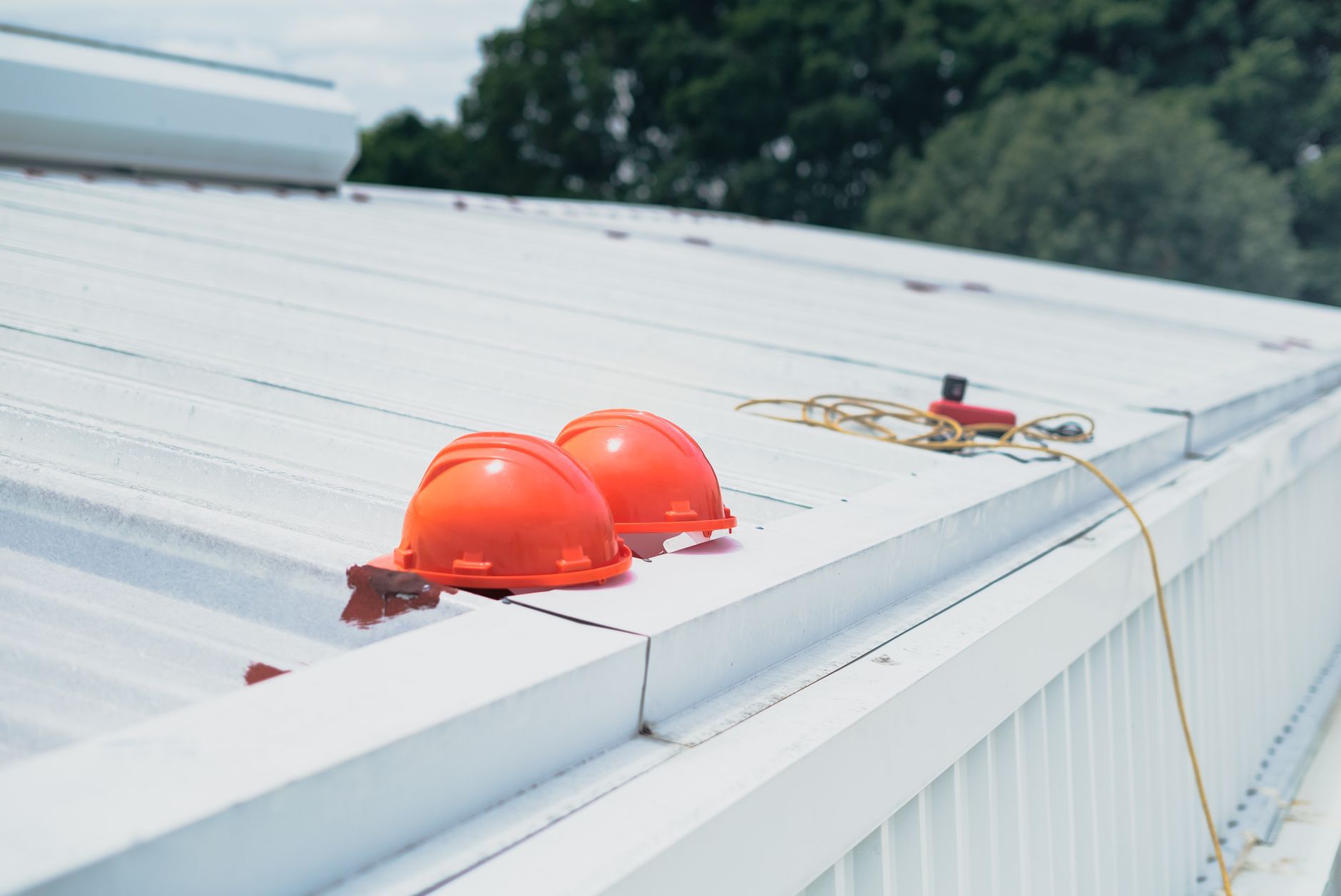
Roof renovations can be a daunting task, especially with local building codes in the mix. In West Chester Township, OH, codes are not just guidelines but legal requirements to ensure safety and durability. Picture this: your roof has aged past 20 years, shingles are curling, and leaks pepper the ceiling after a heavy rain. You want to dive into a renovation, but where to start? Understanding the codes specific to our township can save both time and hassle. We’ll walk through the key regulations here so you know what to expect when it's time to call in the pros.
Permit Requirements for Roof Renovations
Before lifting a single shingle, securing a permit is critical. In West Chester Township, a building permit is mandatory for almost all roofing projects, except minor repairs like replacing a few missing shingles. The permit ensures work meets local safety standards, and acquiring one isn't optional. The process involves submitting a detailed plan of the work, including the materials you intend to use and the scope of the renovation. Expect to wait a couple of weeks for approval, so plan accordingly. Ignoring this step can lead to fines or having to undo your hard work.
Specific Material Requirements
Different materials have different requirements. Asphalt shingles are popular here, partly because of their compatibility with local codes. However, if you're considering metal roofing, pay attention to the specifics. Metal roofs must meet requirements for fire resistance and wind uplift, often needing certification when installed. Using non-compliant materials can result in denied permits or worse, having to remove the roof after installation to meet the standards.
Material Lifespan Considerations
One key aspect often overlooked is how long your chosen materials will last. Asphalt shingles generally serve you well for 15 to 30 years, but they wear quicker in areas with intense summer sun or harsh winters. Metal roofs can stretch to 50 years, offering longevity with minimal upkeep. Tile and slate exceed these, lasting potentially a century, provided the structure beneath is sound. Knowing these lifespans helps guide not just your current project but future maintenance too.
Roof Ventilation Standards
Ventilation might seem minor, but it's a game-changer for roof longevity. West Chester Township requires specific ventilation ratios; typically, you need one square foot of ventilation for every 300 square feet of attic space. Proper ventilation prevents moisture buildup that can lead to mold or ice dams during the colder months. Don't overlook this during your renovation planning. Without compliance, not only do you risk failing inspection, but you also jeopardize the lifespan of your new roof.
Waste Disposal and Environmental Regulations
Once the old roof comes off, where does all that waste go? West Chester Township has clear regulations on waste disposal. Roofing materials must be taken to designated facilities and recycled where possible. Dumping them illegally can incur significant fines. Moreover, some materials, like asbestos found in older roofs, require special handling. Understand these rules before demolition to avoid penalties and environmental impact.
Inspection Requirements
Permits issued, work planned, and now, inspections. During a roof renovation, expect at least two inspections: one during the process and one upon completion. Inspectors ensure the work follows the submitted plans and meets all safety codes. Missing an inspection point can stall the project, so coordinate with your contractor to schedule these at the right stages.
Seasonal Timing and Its Impact
Seasonal timing is more important than it seems. In West Chester Township, we face humid summers and cold, snowy winters. Starting a project in early spring or late summer can help you avoid delays. Asphalt shingles have seal strips that need warmth to properly adhere, so they don’t seal well in the cold. Wet seasons can slow down installation as well, so planning around the weather is smart.
Adapting to Seasonal Changes
West Chester Township's weather shifts can impact roofing. Codes consider this, influencing material choice and installation methods. For instance, extreme cold can affect seal strips on asphalt shingles, so timing installations in milder weather months can lead to a better result. Be aware of these seasonal effects when planning your project timeline.
Choosing the Right Contractor
Selecting a contractor is as crucial as picking the right materials. Check their licensing to ensure they’re recognized by the township. Ask about their familiarity with local codes and past experience in West Chester Township. A contractor who knows the local regulations can save a lot of time and hassle. Also, ensure they have a plan for handling weather challenges, like sudden rain or a late frost, which can delay work. Our team is well-versed in these local requirements.
Compliance and Consequences
Compliance might seem like a headache, but it's non-negotiable. Failure to adhere to local codes doesn't just result in legal trouble; it can also void warranties on materials or work. We don't want anyone in West Chester Township facing these issues, so ensure your contractor understands and follows these regulations. Skipping compliance steps can lead to more expenses in the long run.
The Renovation Timeline
Understanding how long each phase of a roof renovation might take can help set expectations. After securing permits, actual removal and installation might only take a few days to a week, depending on the roof size and complexity. Weather delays can stretch this timeline. Inspections should be factored in too, as they can cause pauses in the work if not coordinated properly with your contractor.
What to Ask a Contractor
When you're ready to hire, have some questions lined up. Confirm their understanding of local codes and regulations. Ask about their plan for unexpected weather. Do they have contingency plans for potential delays? Make sure they carry the right insurance too. Knowing they can handle the unexpected puts you at ease and sets the stage for a smooth project.
Key Takeaways
- Permits are mandatory for most roofing projects.
- Material choices must align with local fire and wind standards.
- Adequate ventilation is vital for preventing moisture issues.
- Waste disposal must follow specific environmental rules.
- Inspections occur during and post-renovation.
- Choose a contractor familiar with local codes.
- Consider lifespan and maintenance of roofing materials.
- Plan around seasonal weather for the best results.
Conclusion
Roof renovations in West Chester Township require more than just a hammer and nails. Local building codes ensure safety and quality, but they also dictate the process. Understanding these regulations can prevent unnecessary headaches down the road. Don't cut corners just to save a buck. When you're ready to start, call us. We'll make sure everything's up to code and done right, so you sleep easy under your new roof.


