
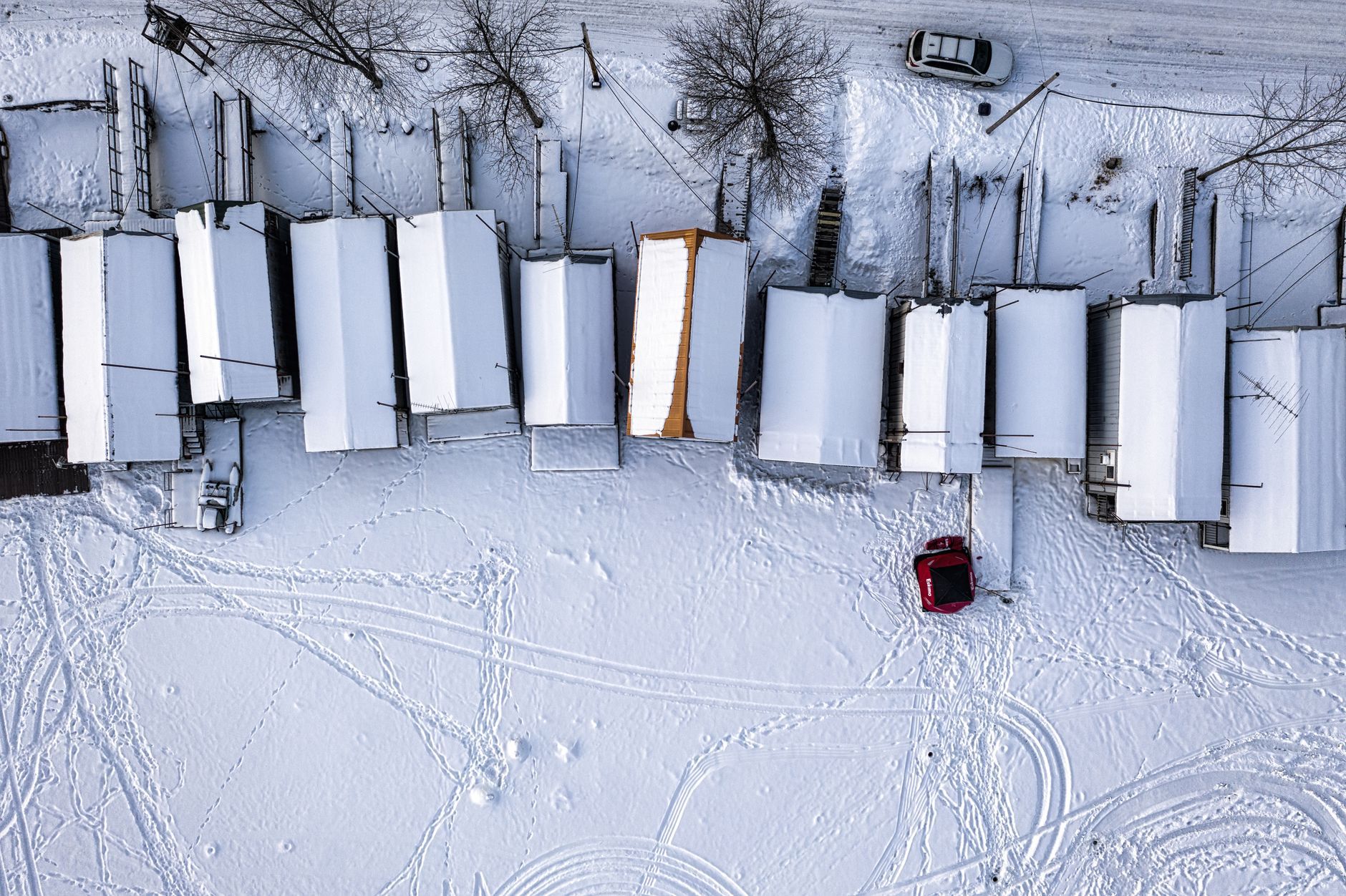
Winter in West Chester Township can be a real test for your roof. Ice, snow, and freezing temperatures put extra stress on roofing materials, and if your roof isn’t ready, you could face problems like leaks or damage. Picture this: a 20-year-old asphalt shingle roof starting to curl at the edges, letting moisture seep in as the snow melts. These conditions aren't just inconvenient; they can lead to costly repairs come spring. So, it's crucial to understand how local weather impacts your roof's durability, especially when winter is on its way. Knowing what to look for in terms of potential failure modes can save you a lot of trouble and expense.
The Impact of Heavy Snow Loads
Snow might look beautiful, but it’s heavy. Roofs in West Chester face potential issues when heavy snow accumulates. As a rule of thumb, a foot of fresh snow weighs about 20 pounds per square foot. When snow piles up, it can exceed your roof’s load-bearing capacity. This pressure can lead to sagging or, in extreme cases, structural failure.
Flat and low-pitched roofs are more vulnerable since they don't shed snow as effectively as steeper ones. If your roof has a pitch of less than 4/12 (meaning it rises 4 inches for every 12 inches horizontal), it might need reinforcement before winter hits. Regular inspections and removal of excess snow can help maintain your roof's integrity.
The Freeze-Thaw Cycle: A Hidden Threat
The freeze-thaw cycle is another challenge for roofs. Daytime temps rise above freezing, melting snow, and then drop at night, refreezing the water. When water seeps into small cracks and refreezes, it expands, making the cracks bigger. This cycle can damage shingles, flashing, and even the decking beneath.
Look for signs of damage like cracked or missing shingles or water stains inside your home. Addressing these issues early can prevent more serious problems later. Roofs with materials that resist water infiltration, such as metal or high-quality asphalt shingles, tend to fare better in these conditions.
The Role of Ice Dams
Ice dams form when heat from your home melts snow on your roof. Water flows to the edge, refreezes, and forms a dam. Water then backs up behind the dam and can seep under shingles, causing leaks.
Proper insulation and ventilation are key to preventing ice dams. Cold roofs, where the roof surface stays closer to the ambient temperature, don’t have these issues. Make sure your attic is well-insulated and ventilated, keeping the roof cold and reducing the risk of ice dams forming.
Wind Damage: A Force to Consider
Winter storms in West Chester can bring strong winds, which can damage your roof. Shingles may be lifted or blown off completely if they’re not adequately fastened, especially on older roofs.
During a roof inspection, check for loose or missing shingles. Reinforce or replace them as needed. Modern asphalt shingles come with a wind resistance rating, so consider upgrading if wind damage is a frequent issue.
Dealing with Cold Temperatures
Cold weather can affect the flexibility and durability of roofing materials. Asphalt shingles, for instance, become more brittle in freezing temperatures, making them more prone to cracking.
If your roof is nearing the end of its lifespan (around 20-25 years for asphalt shingles), consider replacing it before winter sets in. Newer materials are designed to withstand colder climates better and provide more extended durability.
Gutters and Drainage: Winter Maintenance
Gutters play a vital role in directing water away from your roof and home. Clogged gutters can cause water to back up, freeze, and potentially damage your roof’s edge or your home’s foundation.
Before winter, clean your gutters thoroughly. Ensure water flows freely and check that downspouts direct water far enough away from your house. Consider adding gutter guards to reduce the likelihood of future clogs.
Planning Ahead: Pre-Winter Roof Inspection
A thorough roof inspection can catch potential issues before winter stress makes them worse. Check for loose shingles, damaged flashing, and other visible problems. Don’t forget the attic: look for signs of water intrusion or inadequate insulation.
Schedule an inspection with a professional if you’re unsure what to look for. They can provide insights into your roof’s condition and recommend necessary repairs or reinforcements.
Understanding Roofing Materials and Their Lifespan
Different roofing materials react to winter conditions in various ways. Asphalt shingles, common in many homes, usually last around 20 to 25 years. Metal roofs can last upwards of 50 years, but they require proper installation to prevent issues like condensation. Wood shakes have a lifespan of about 30 years if maintained well. Knowing the material of your roof can help you understand what to expect and when replacement might be needed.
Seasonal Timing for Roof Work
Timing roof work around the seasons can be strategic. Fall is ideal for inspections and repairs. Temperatures are moderate, making it easier to work with roofing materials. If a replacement is needed, getting it done in the fall ensures that your roof is ready to face winter head-on. It's wise to avoid major repairs during the peak of winter unless absolutely necessary due to the challenges posed by cold weather.
What to Ask a Contractor
When hiring a contractor for your winter roof preparations, ask about their experience with winter-specific issues. Confirm that they inspect for ice dam prevention, snow load handling, and proper insulation. Inquire about the type of materials they recommend for your specific roof type and climate. Knowing the right questions to ask can ensure the work done is thorough and addresses potential winter threats.
Local Building Codes and Roof Requirements
Understanding local building codes in West Chester is crucial when assessing your roof's readiness for winter. These codes dictate specific requirements related to structural load-bearing capacities, materials, and even installation practices. Compliance ensures not only the safety and durability of your roof but also adherence to legal standards. When planning for roof repairs or replacements, consult a professional familiar with these codes to ensure your plans meet local regulations.
Roof Ventilation: The Silent Guardian
Roof ventilation might not seem like a winter concern, but it's vital year-round. Proper ventilation prevents excess moisture buildup in your attic, which can lead to mold and mildew. In winter, it helps keep your roof cool, reducing the risk of ice dams. Check that your roof has adequate vents and that they’re clear of obstructions to maintain good airflow.
Key Takeaways
- A foot of snow can weigh 20 pounds per square foot, stressing your roof.
- Freeze-thaw cycles expand cracks; repair them early.
- Ice dams require good attic insulation and ventilation.
- Wind-resistant shingles help prevent storm damage.
- Clean gutters before winter to prevent water backups.
- Know your roofing material and its lifespan for timely maintenance.
- Plan major roof work like replacements in fall for the best results.
- Understand local building codes to ensure your roof meets safety and legal standards.
- Ensure your roof is well-ventilated to prevent moisture issues and ice dams.
Conclusion
Winter in West Chester Township isn't gentle on roofs, but with the right preparation, your roof can handle it. Start with a pre-winter inspection. Address any issues like loose shingles or poor insulation. Keep your gutters clean and be mindful of heavy snow loads. When in doubt, call in a professional. It’s always better to catch small problems before they become big headaches. If your roof is nearing the end of its life, consider replacement before winter hits. That way, when the snow starts falling, you can relax, knowing your roof is ready.


